
The Future of PropTech & AI

PropTech and AI are reshaping how multifamily teams lease, operate, maintain, and serve residents. The winners are not the teams with the most tools. They are the teams with the clearest operating model, the cleanest data flows, and the strongest governance controls.

What this Hub Delivers
Operator-first guidance

Workflows, ownership, and adoption - not feature tours.

AI with guardrails

Human review, audit-ability, change control, and monitoring.

Stack clarity

Unified integrations that reduce silos and increase trust.

Practical frameworks

Scorecards, checklists, and implementation templates.

What is PropTech in multifamily?

PropTech in multifamily is the set of software, connected devices, and data systems that support leasing, resident communications, access control, maintenance, payments, and analytics. The value comes from reliable integrations, accountable workflows, and governance controls that make outcomes repeatable.

What is agentic AI in property operations?

Agentic AI refers to AI systems that can execute multi-step workflows – such as triaging requests, coordinating tasks, following up, and escalating exceptions – under defined constraints and approvals. The goal is faster, more consistent operations without removing human accountability.

What matters most when adopting AI in multifamily?

Three things: (1) clearly scoped use cases tied to measurable outcomes, (2) governance controls like logging, access controls, and change management, and (3) operational adoption via training, templates, and escalation paths.

What is a unified PropTech stack?

A unified tech stack is an interoperable system where resident experience, property management operations, and key building systems share consistent data, roles, and workflows. It reduces duplication, improves reporting fidelity, and increases resident trust through better responsiveness.
The Critical Elements of AI-Integrated PropTech

The 10 pillars of PropTech and AI

Executive Leadership Guide to Agentic AI - Redefining Multifamily Operations for the Next Decade - Alex Samoylovich

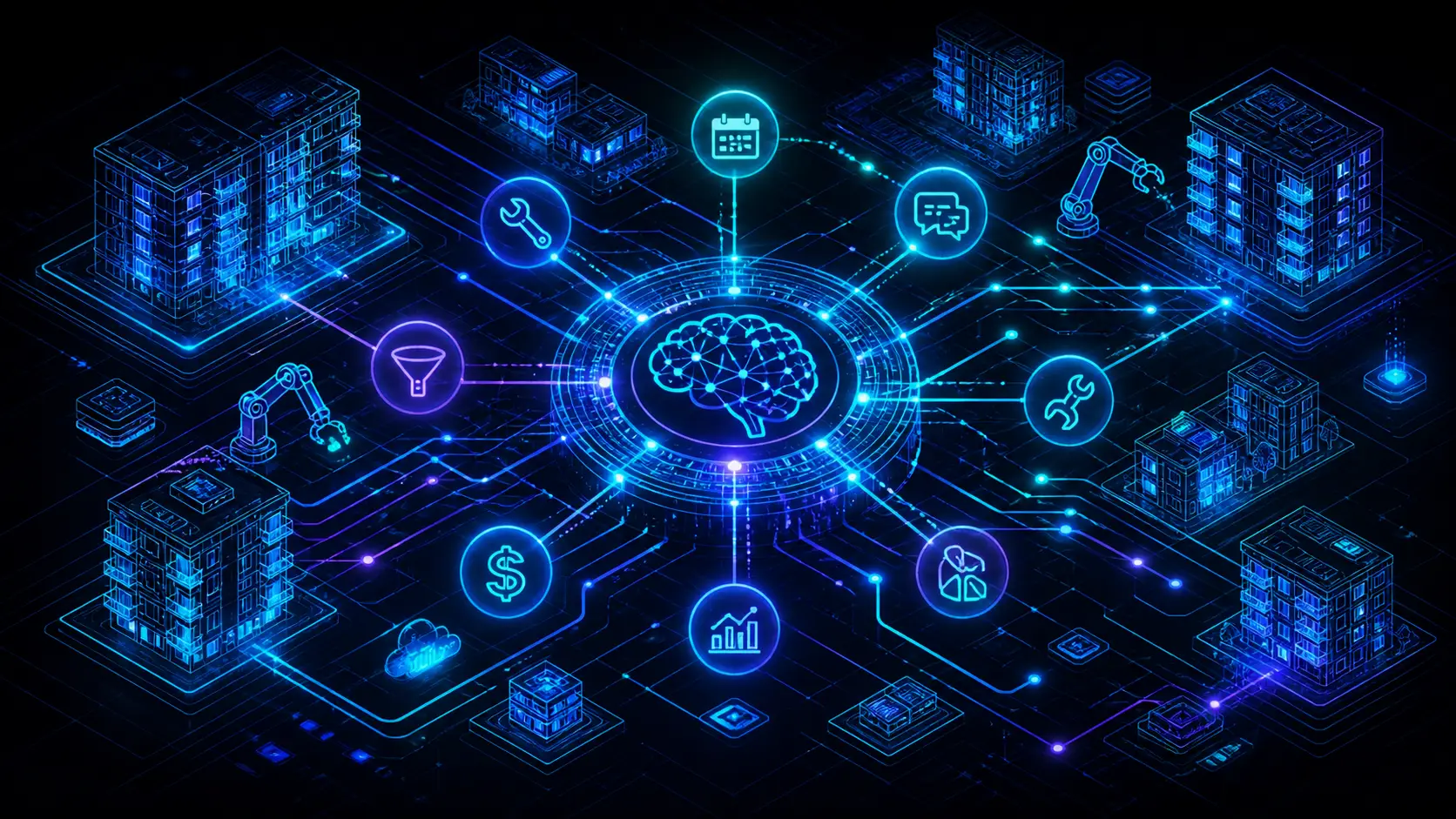
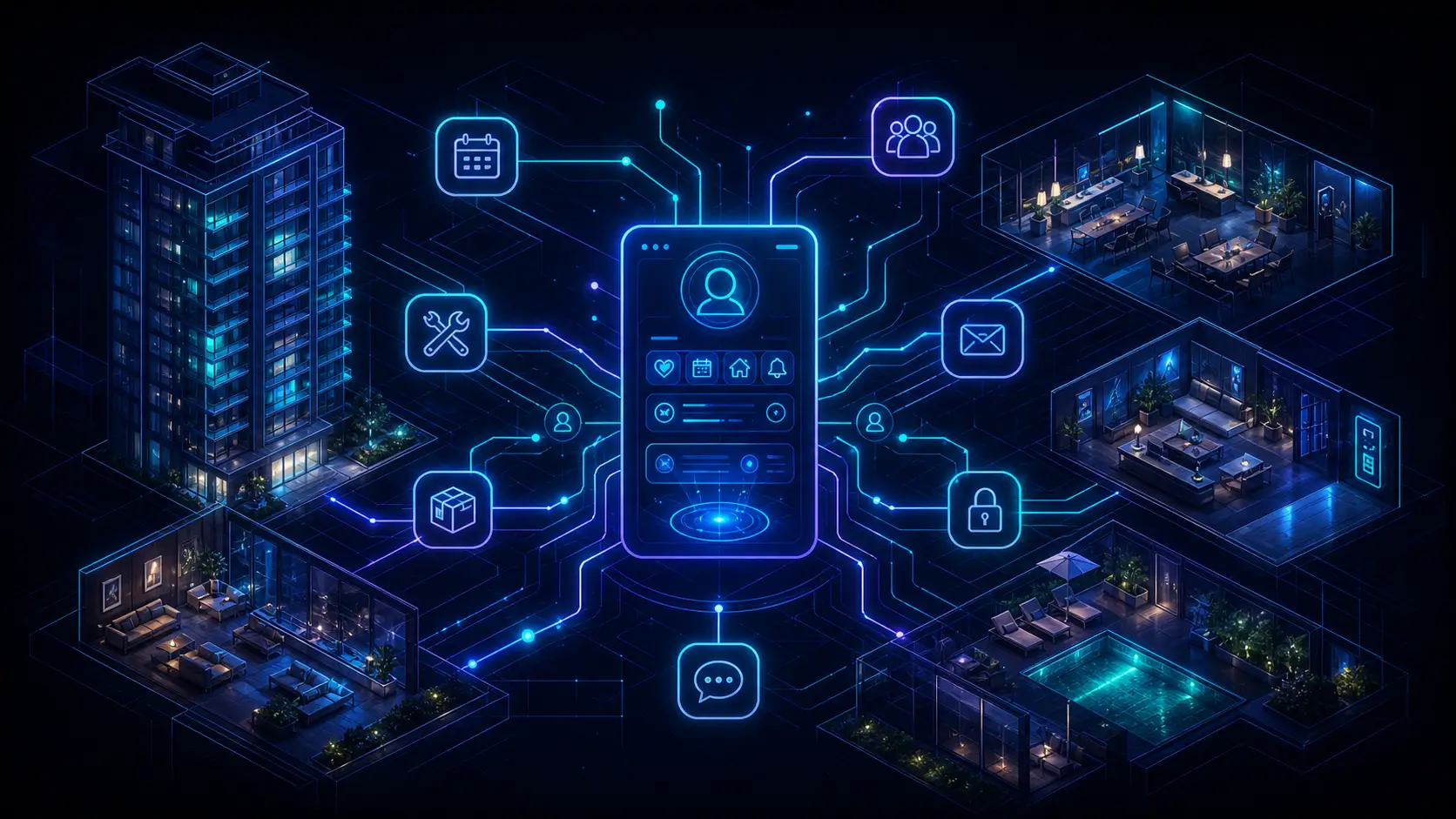
Agentic AI in Multifamily Operations

Autonomous workflows for leasing, move-ins, service triage, and follow-ups - designed with human-in-the-loop governance.

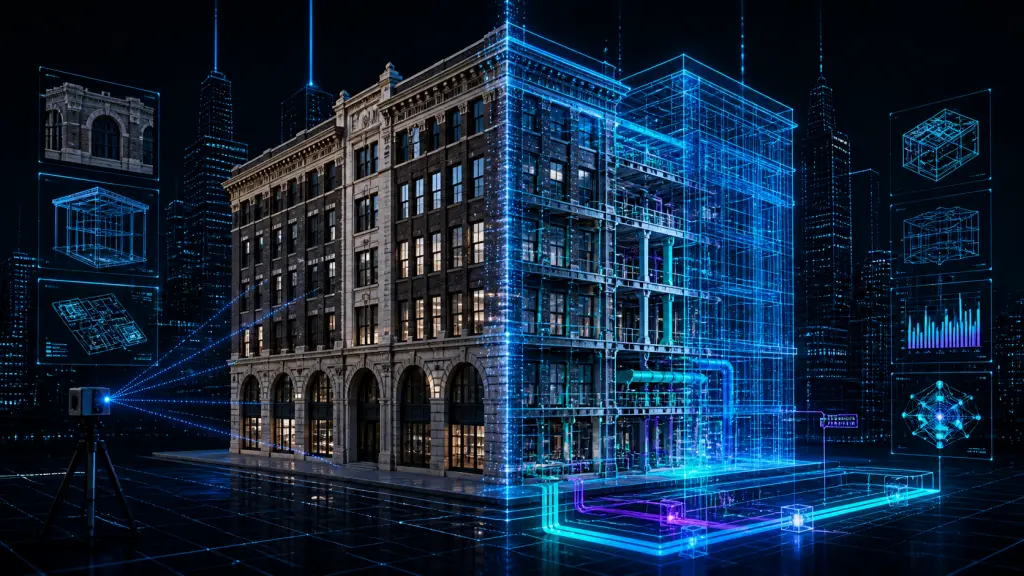
How to implement a digital twin for an adaptive reuse project_Alex Samoylovich

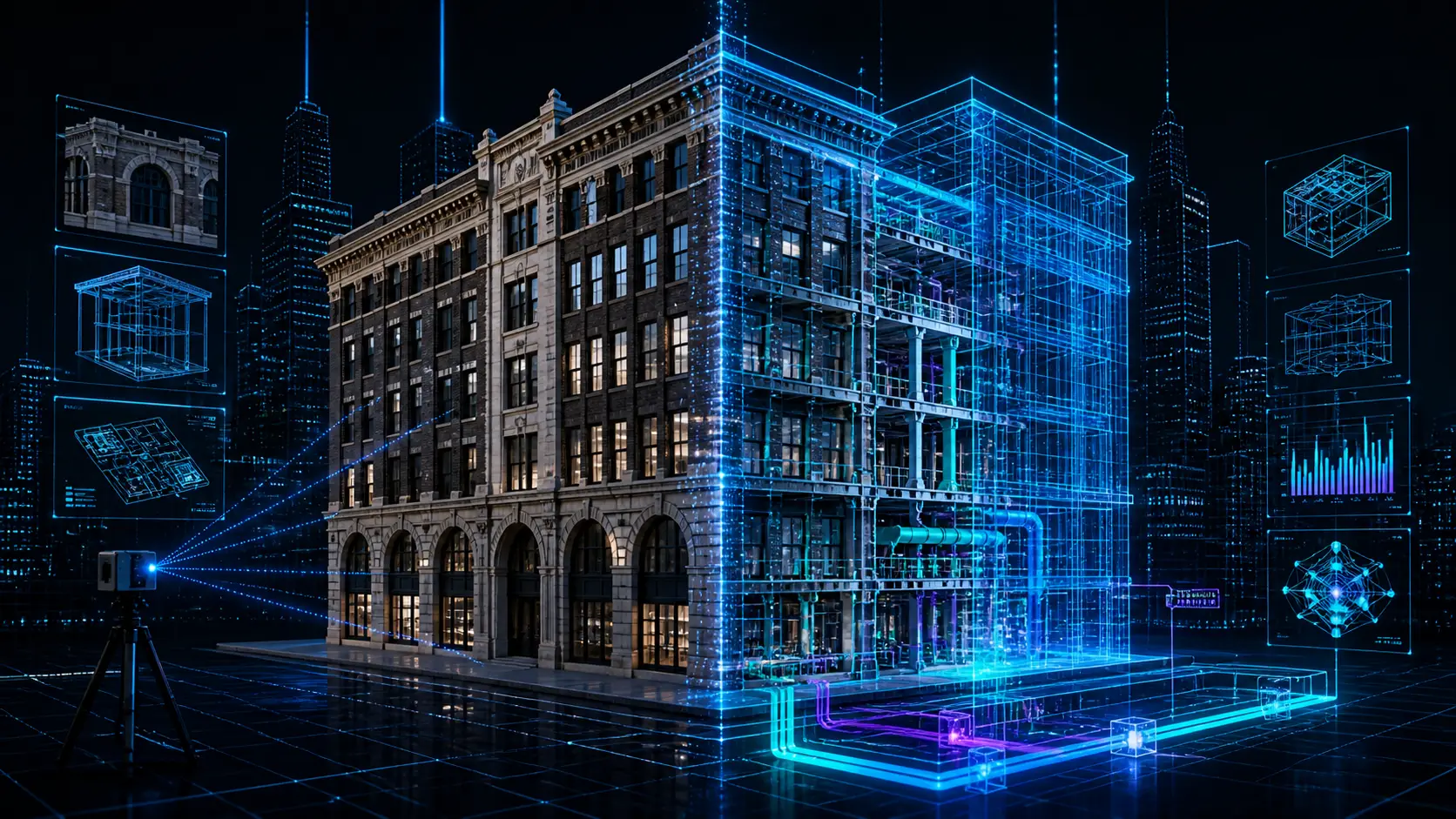
Digital Twins for Adaptive Reuse and Redevelopment

3D and lifecycle simulation to reduce rework, improve energy performance, and de-risk complex projects.

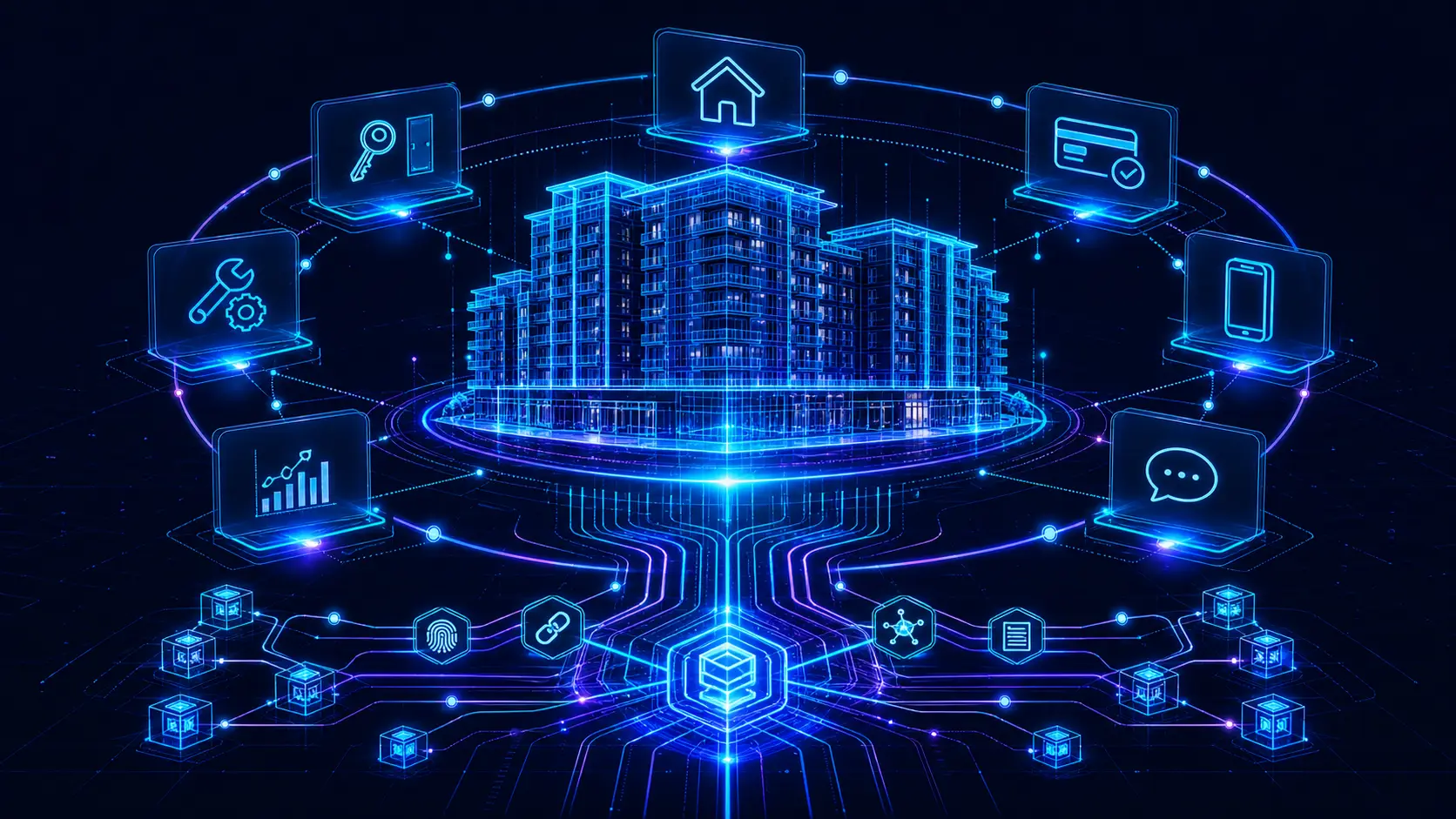
Unified Tech Stack Philosophy for Modern Multifamily

Integration and data discipline that eliminate silos between resident experience and property operations.

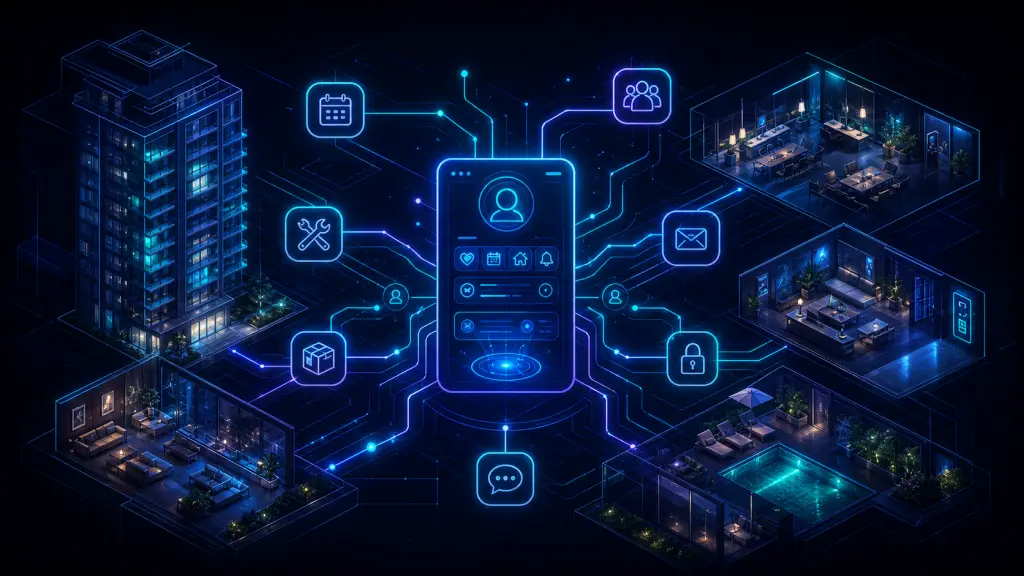
Generative AI for Hyper-Personalized Resident Experience_AlexSamoylovich

Generative AI for Personalized Resident Experience

Hyper-personalized communications and service support that improves clarity and reduces friction - with transparency controls.

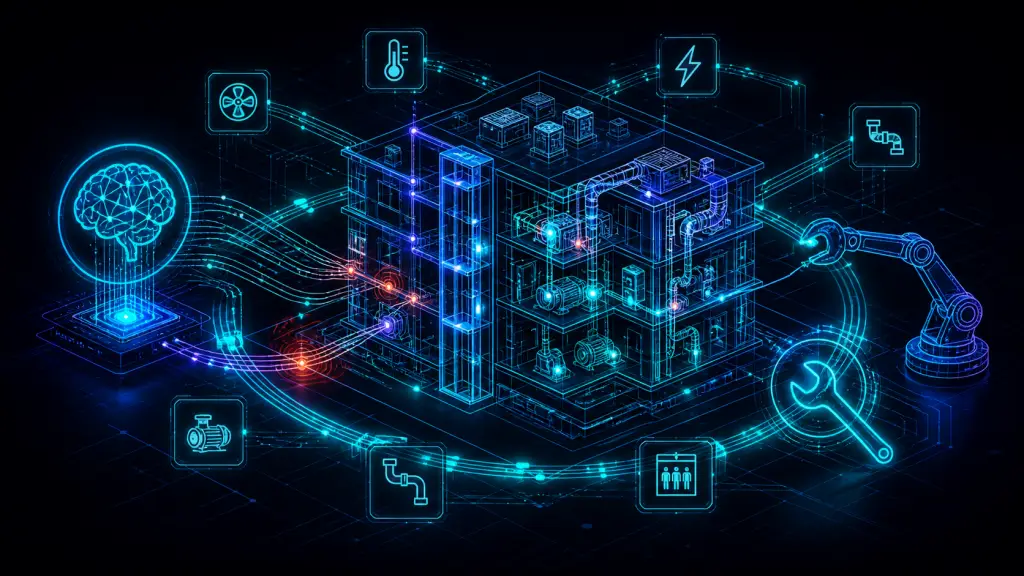
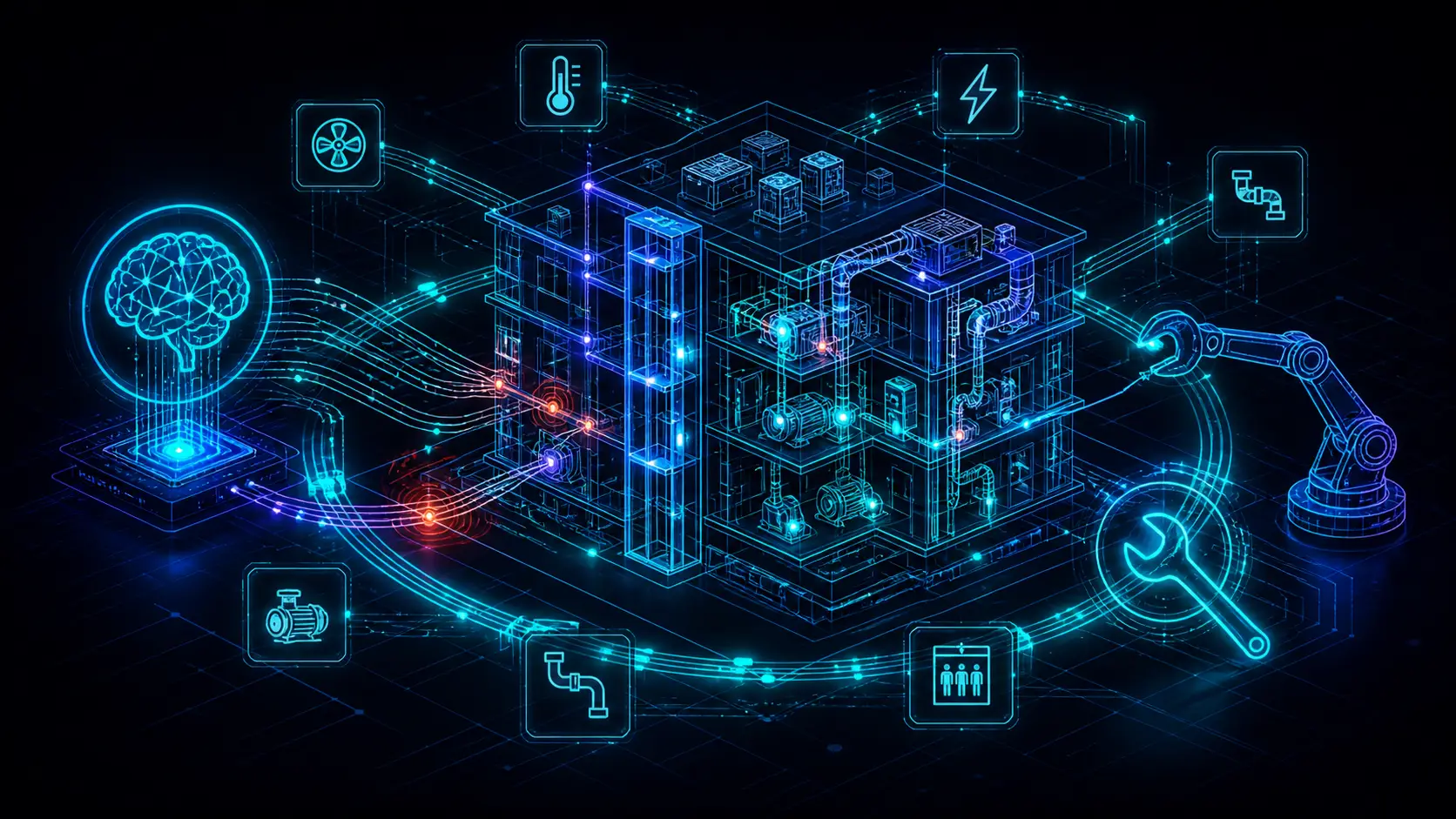
Predictive Maintenance and NOI Preservation

IoT signals and AI models that shift operations from reactive to predictive, reducing downtime and avoidable costs.

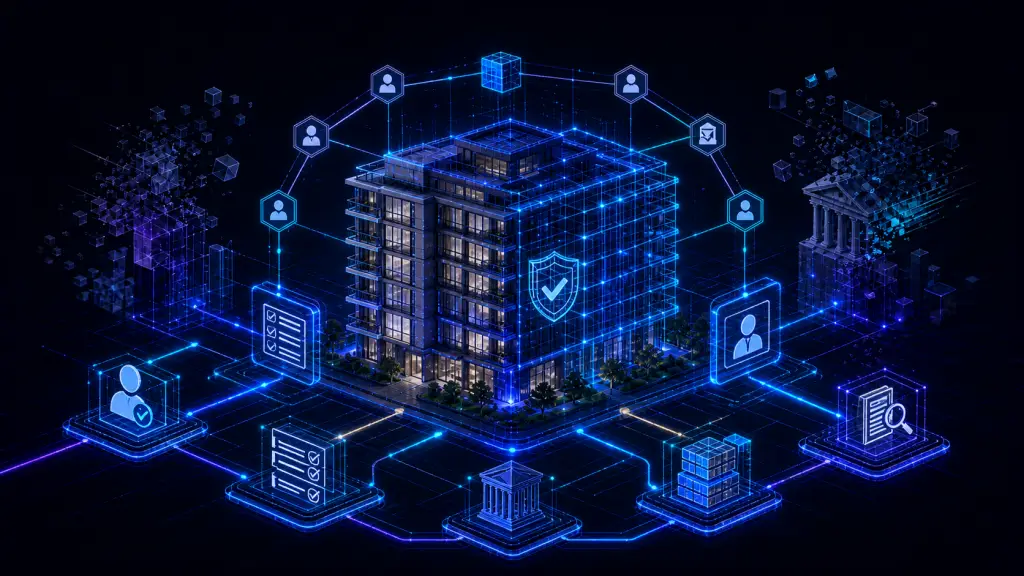
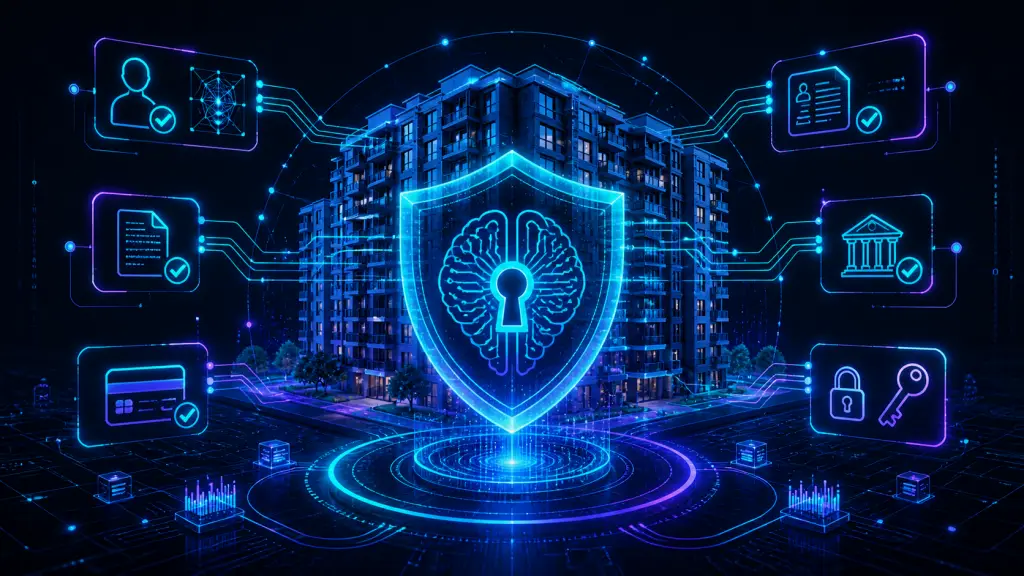
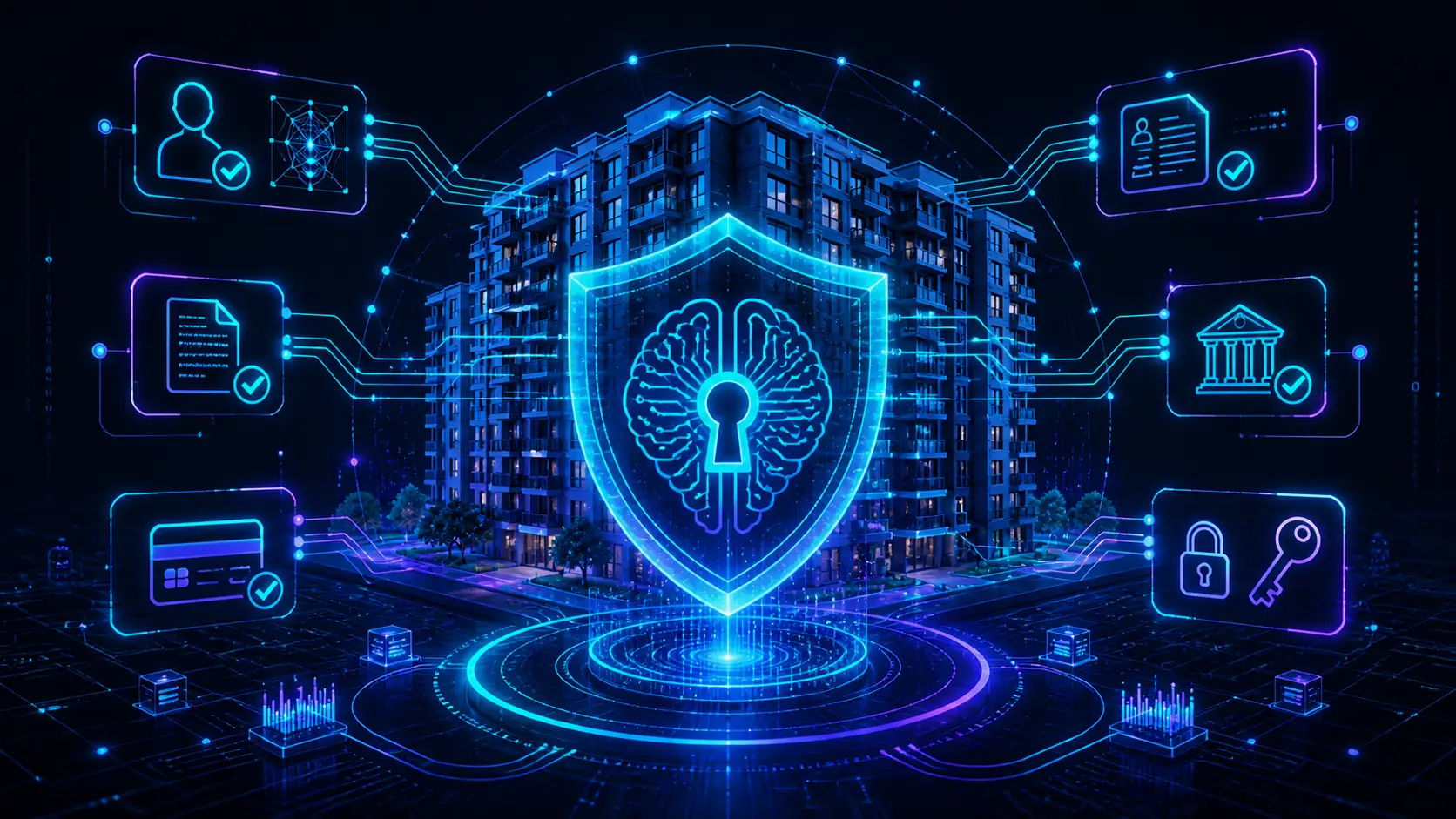
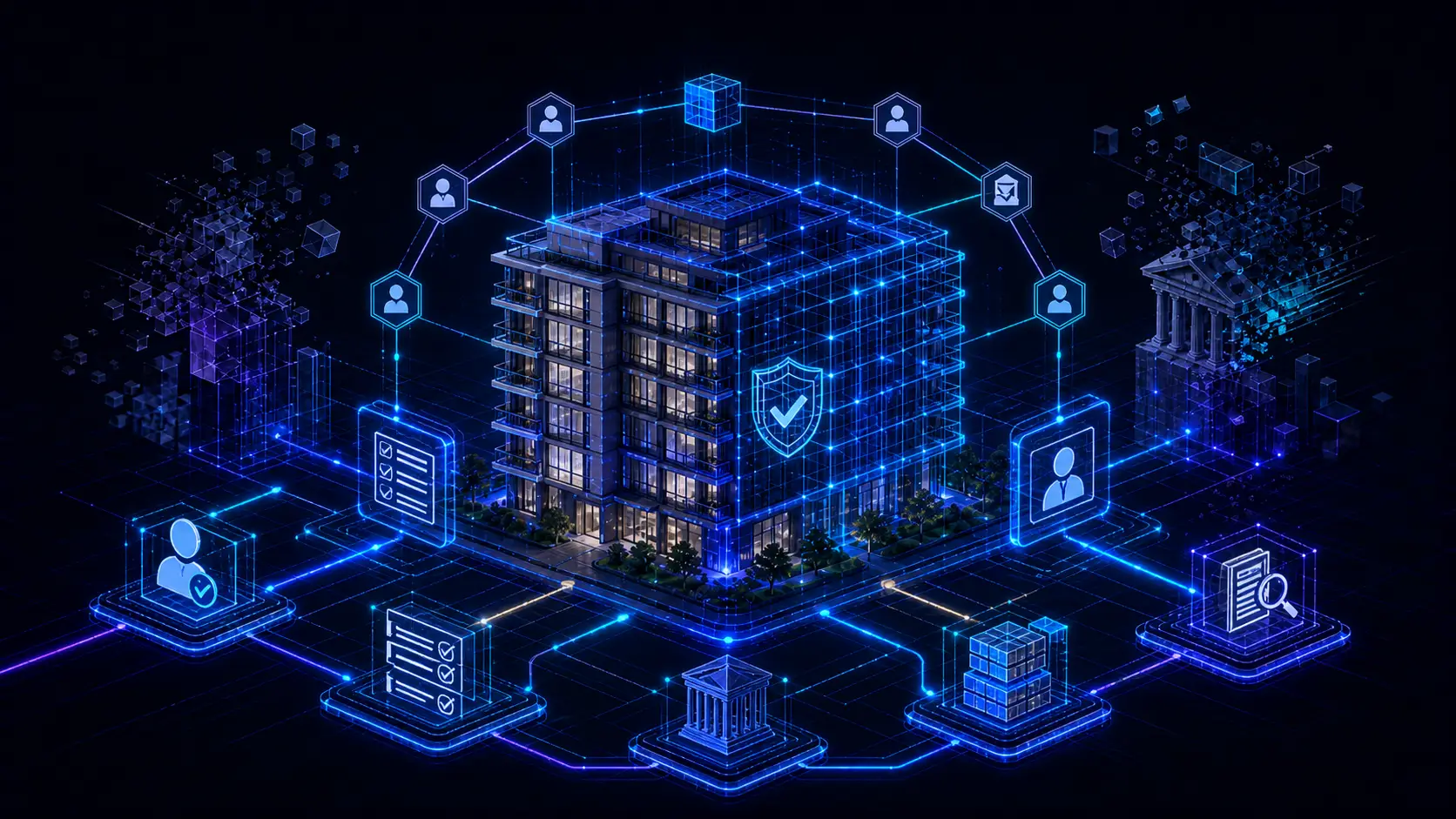
AI-Powered Fraud Prevention in Digital Leasing

Identity and anomaly detection workflows that reduce fraud while preserving fairness, documentation, and consistency.

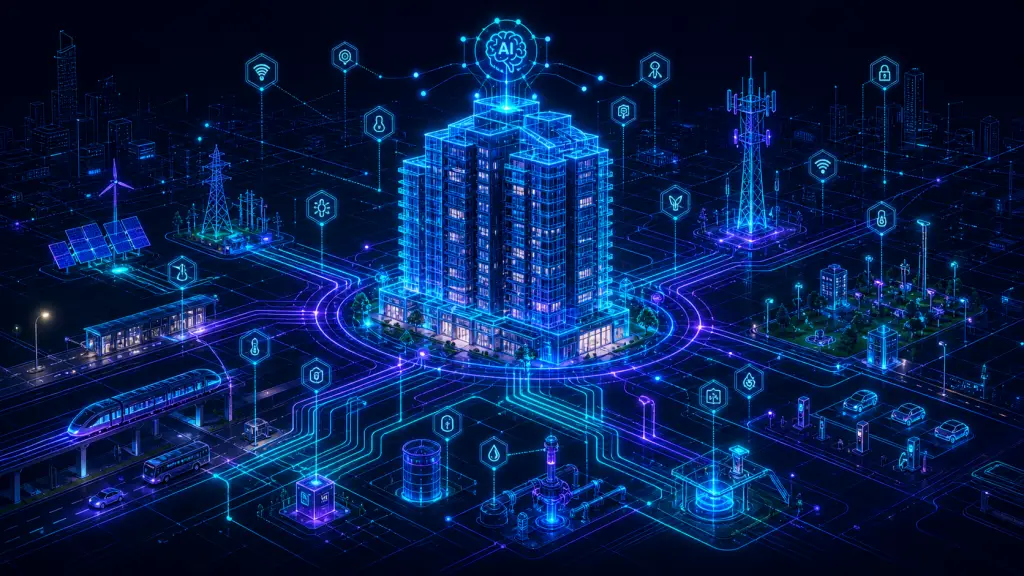
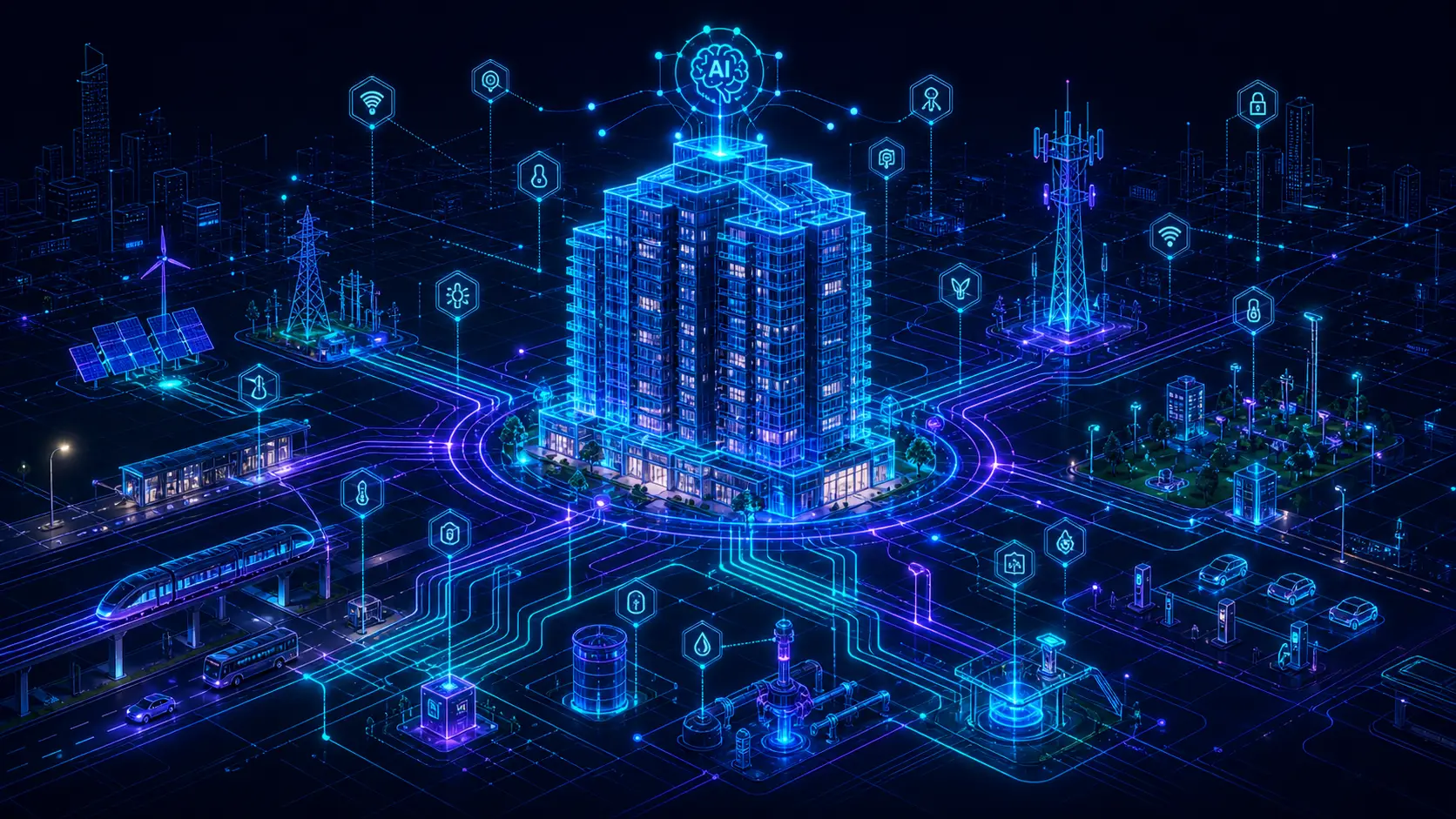
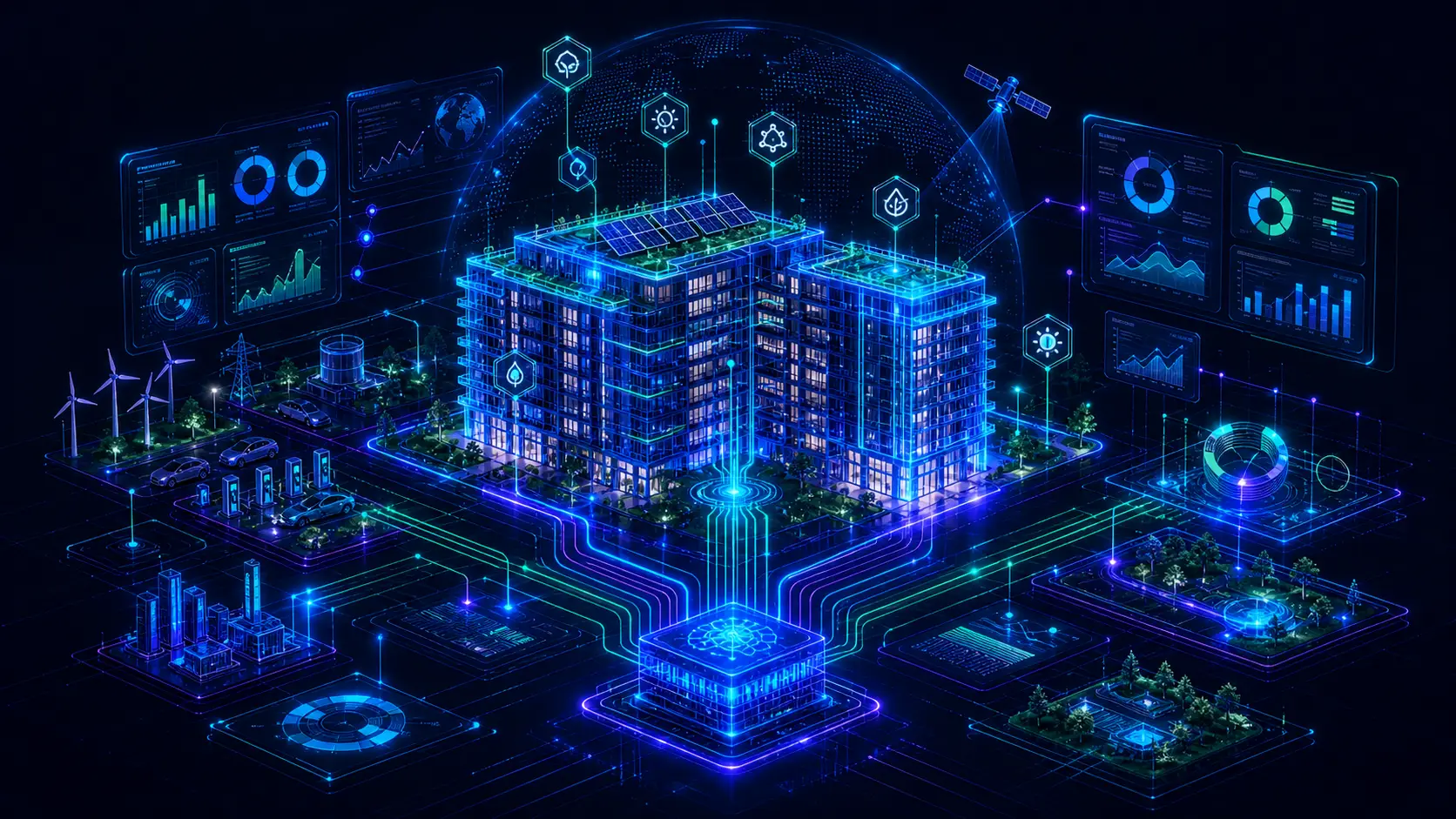
Smart building and smart city integration

Assets connected to broader infrastructure - energy, mobility, safety - with reliability and privacy as first principles.

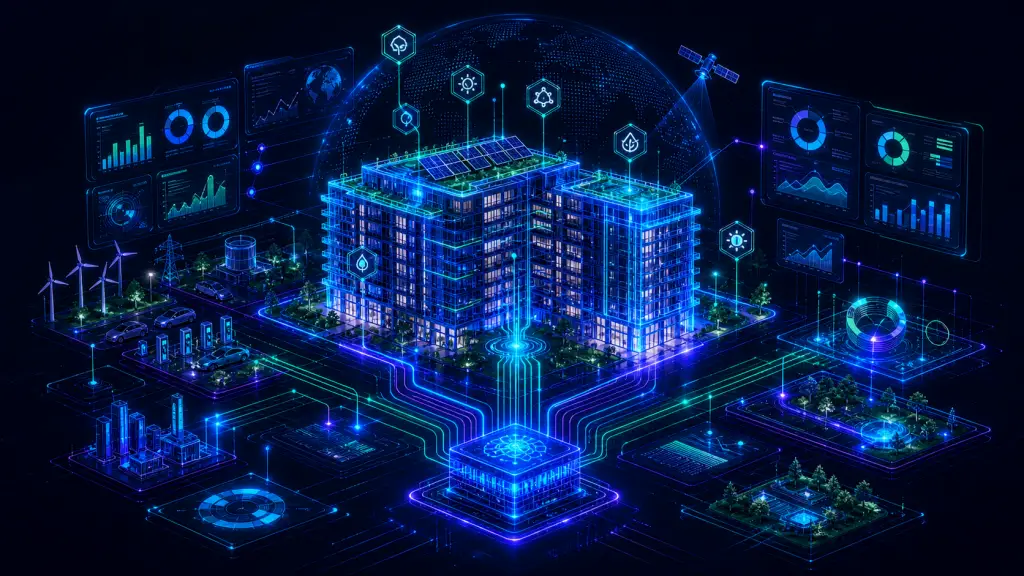
Sustainability and AI-driven ESG

Energy optimization, carbon monitoring, and reporting fidelity that convert compliance into capital value.

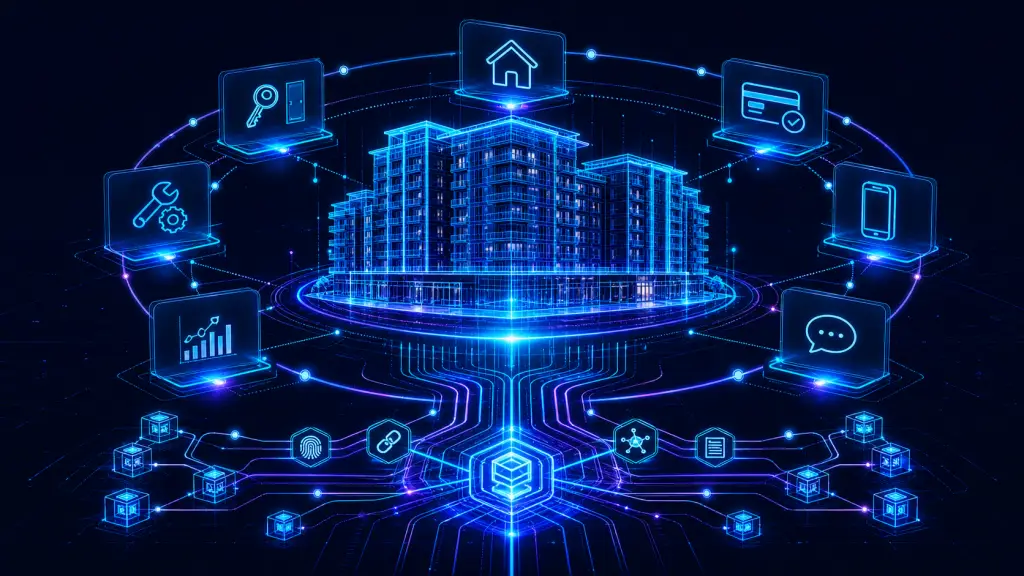
Tokenization and future equity models

Forward-looking analysis on fractional ownership, governance, and operational readiness.

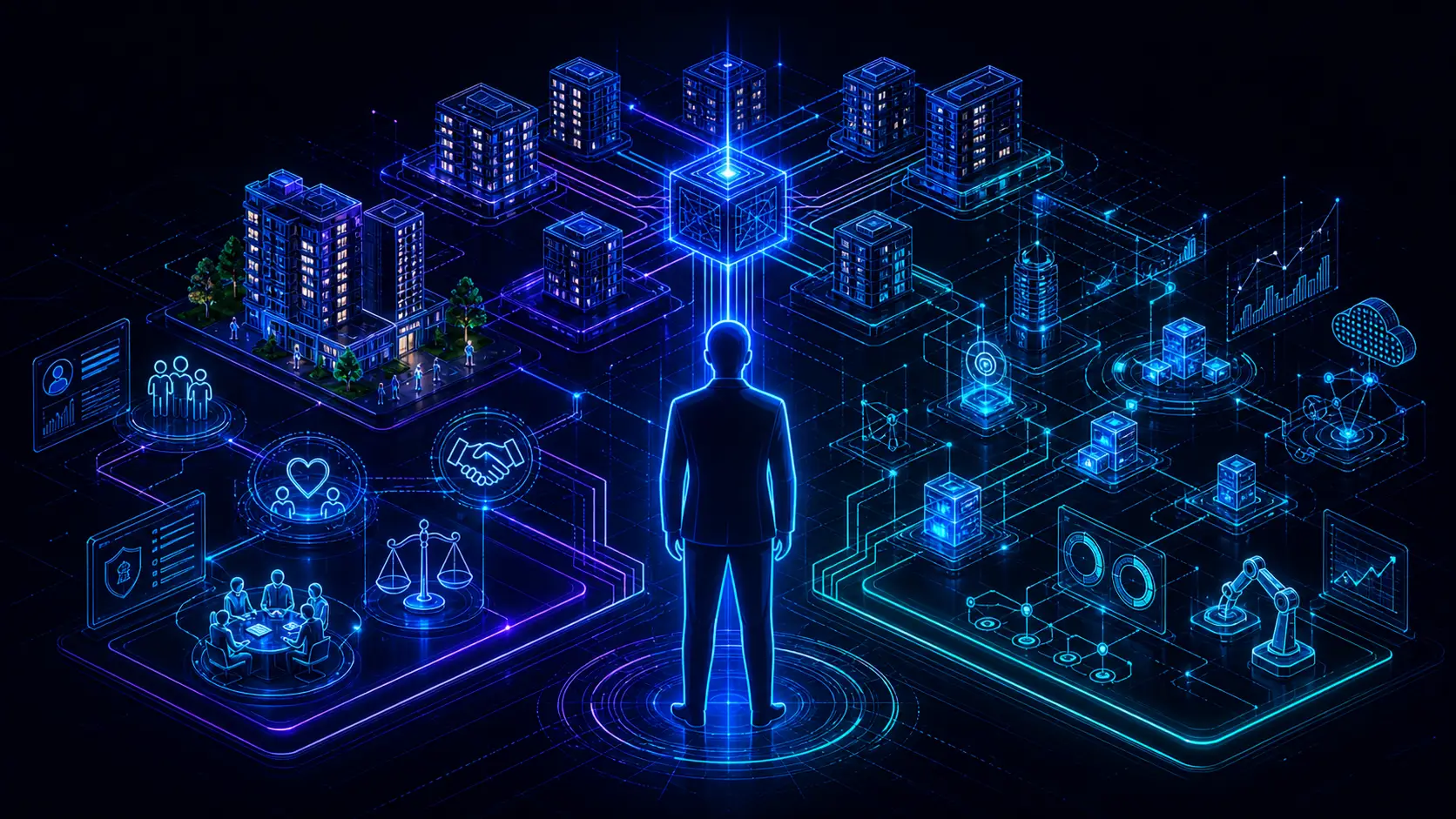
The human-AI hybrid

A leadership manifesto on balancing automation with the human touch that drives retention and community.

Future of PropTech & AI Articles

Executive Leadership Guide to Agentic AI - Redefining Multifamily Operations for the Next Decade - Alex Samoylovich

Executive Leadership Guide to Agentic AI in Multifamily

Alex Samoylovich explores how Agentic AI is revolutionizing multifamily real estate operations, NOI growth, and resident experience in 2026. Learn why autonomous AI is the future of PropTech.

Read More
The Future of PropTech & AI

Executive Q&A

The future of PropTech is workflow automation, interoperable data, and trust-first governance. AI expands capacity, but disciplined execution determines outcomes.

Agentic AI runs multi-step workflows like triage, scheduling, follow-ups, and escalation under constraints and approvals, improving responsiveness and consistency.

Ticket triage, message drafting, knowledge retrieval, and routing work to the right owner faster.

Untracked automation without logging, approvals, monitoring, and clear accountability.

A system that unifies resident communications, service requests, access, payments, and community workflows with clear ownership and integrations.

Response time, resolution quality, repeat requests, dispute rate, escalation rate, and renewal outcomes.

A connected set of systems with clear data ownership, consistent roles, and reliable integrations across resident experience and operations.

Weak ownership, brittle integrations, underfunded training, and missing governance controls.

Workflow fit, integration readiness, security posture, implementation support, reporting fidelity, and total commercial terms.

A virtual model used to simulate performance, plan changes, and test scenarios before and after work begins.

It reduces avoidable failures, improves uptime, and lowers repeat work by scheduling interventions before breakdowns.

Workflows that detect anomalies and identity risks while maintaining consistent, documented decision rules.

Inventory use cases, define review thresholds, log outputs, control changes, monitor drift, and run incident readiness

Connected access, sensors, and operational systems that improve reliability and service quality with privacy controls.

By optimizing energy usage, forecasting demand, identifying waste, and improving reporting fidelity.

Operational practices and reporting that address energy, emissions, governance controls, and stakeholder trust.

A model for fractional ownership and transferability that requires strong governance, disclosures, and operational controls.

Automate the repetitive tasks, keep humans accountable for high-impact decisions, and protect the relationship layer.

Governance makes technology trustworthy: access controls, audit logs, incident readiness, and change management.

Define systems of record, standardize events and reconciliation, and enforce integration requirements before expansion.

THOUGHT LEADERSHIP

The Latest From
Alex Samoylovich

Ready to Talk?

Let's begin our
journey to success

I want to talk to your experts in:
We work with ambitious leaders who want to define the future, not hide from it.