

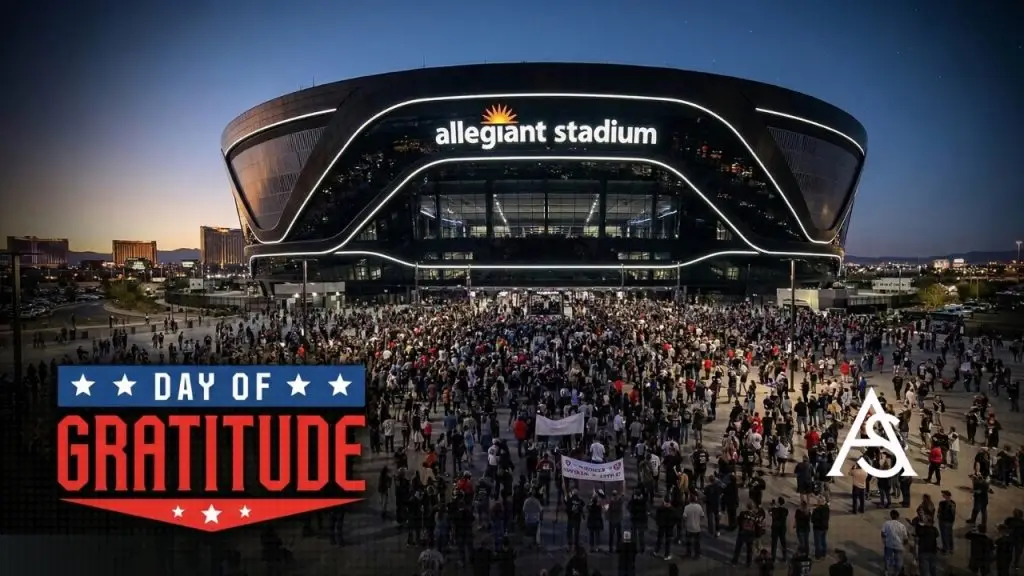
Alex Samoylovich Backs Day of Gratitude — The Landmark Veteran Tribute Returning to Allegiant Stadium
On June 6, 2026 — the 82nd anniversary of D-Day — tens of thousands of veterans and military families will gather at Allegiant Stadium for the largest event of its kind in U.S. history. Alex Samoylovich is proud to be part of it.
Read More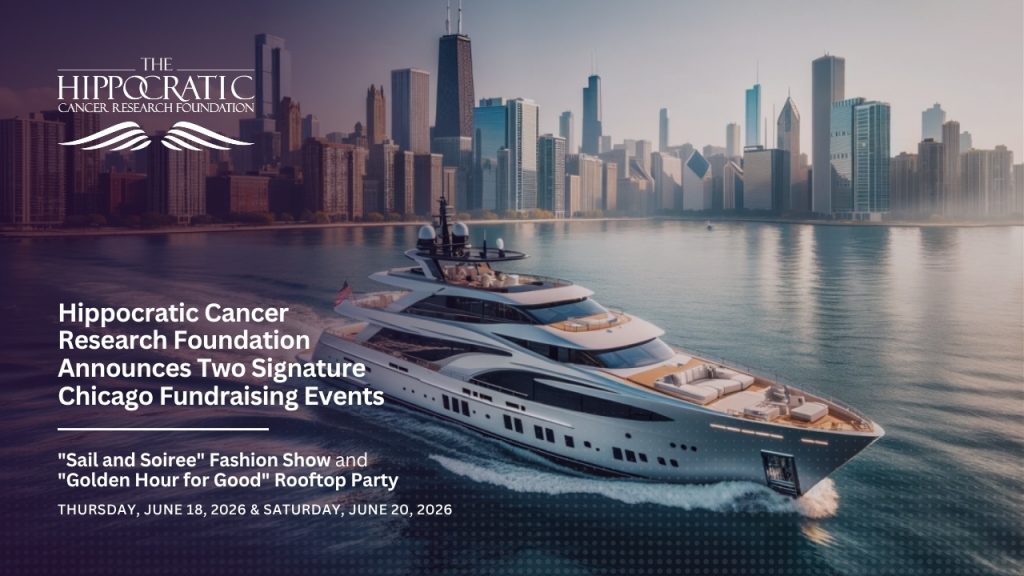
Alex and Danielle Samoylovich Support HCRF June 2026 Cancer Research Events in Chicago
Alex and Danielle Samoylovich support the Hippocratic Cancer Research Foundation's June 2026 Chicago events benefiting cancer research at Northwestern's Lurie Cancer Center.
Read More
The Human-AI Hybrid: A Leadership Manifesto for Multifamily and PropTech
A leadership manifesto for multifamily and PropTech teams designing human-AI operating models, decision rights, accountability, trust, and change.
Read More
Tokenization and the Future of Real Estate Equity: What Is Real, What Is Not
Separate practical real estate tokenization models from speculation, including private funds, SPVs, on-chain registries, compliance, and operations.
Read More
Sustainability and AI-Driven ESG: From Compliance to Capital Value
A practical guide to AI-driven ESG in multifamily, moving from compliance reporting to audit trails, energy optimization, and capital readiness.
Read More
Smart Building Integration: Connecting Multifamily Assets to Urban Infrastructure
Explore how smart building integration connects multifamily assets to access, energy, safety, mobility, and urban infrastructure systems.
Read More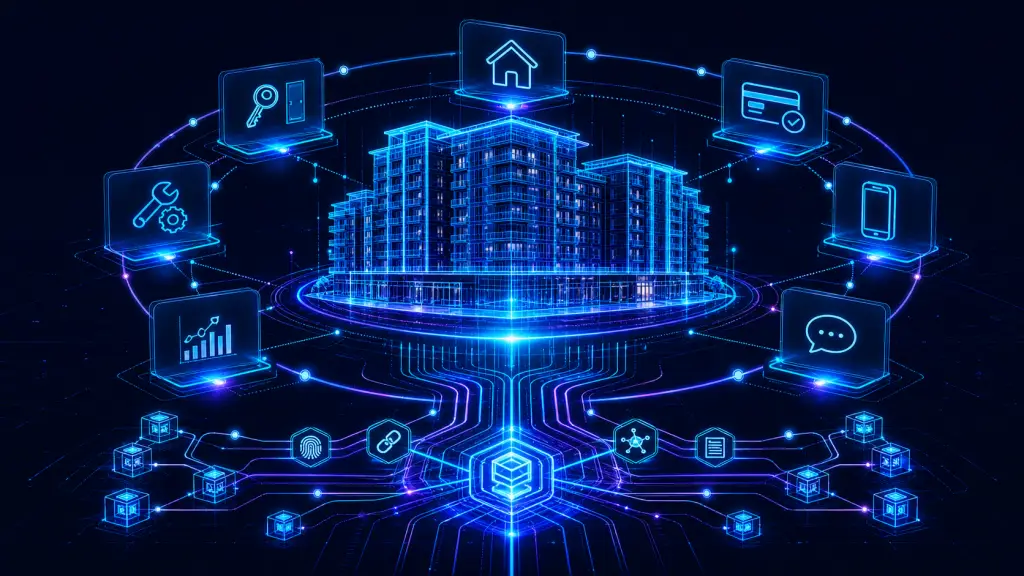
The Unified Tech Stack Philosophy: Eliminating Data Silos in Modern Multifamily
A leadership guide to eliminating data silos in multifamily with systems of record, event-driven integrations, reconciliation, and governance discipline.
Read More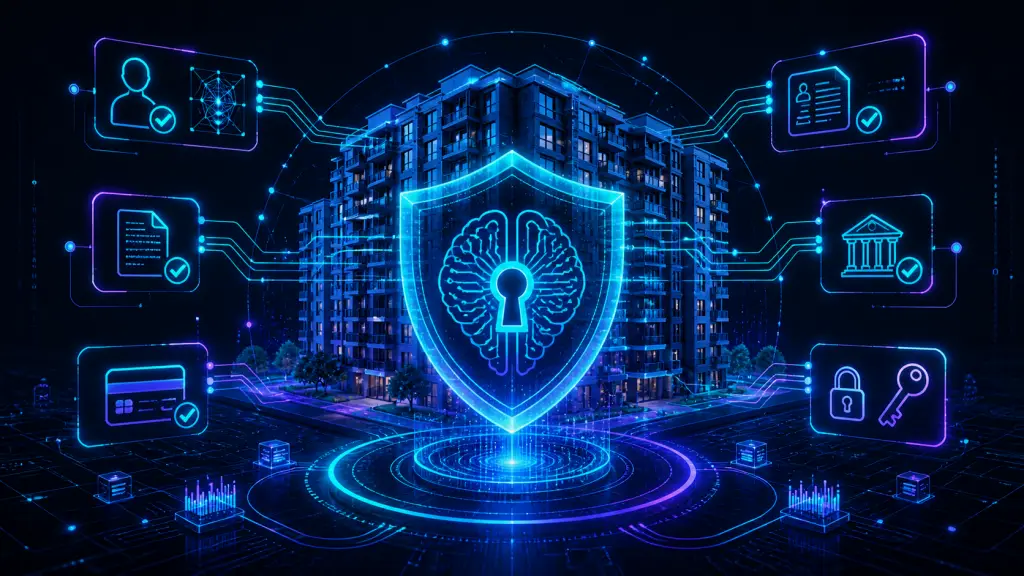
AI-Powered Fraud Prevention in Digital Leasing: Secure Communities at Scale
A governance-led guide to AI fraud prevention in digital leasing, covering applicant signals, decision logging, vendor controls, and scalable review.
Read More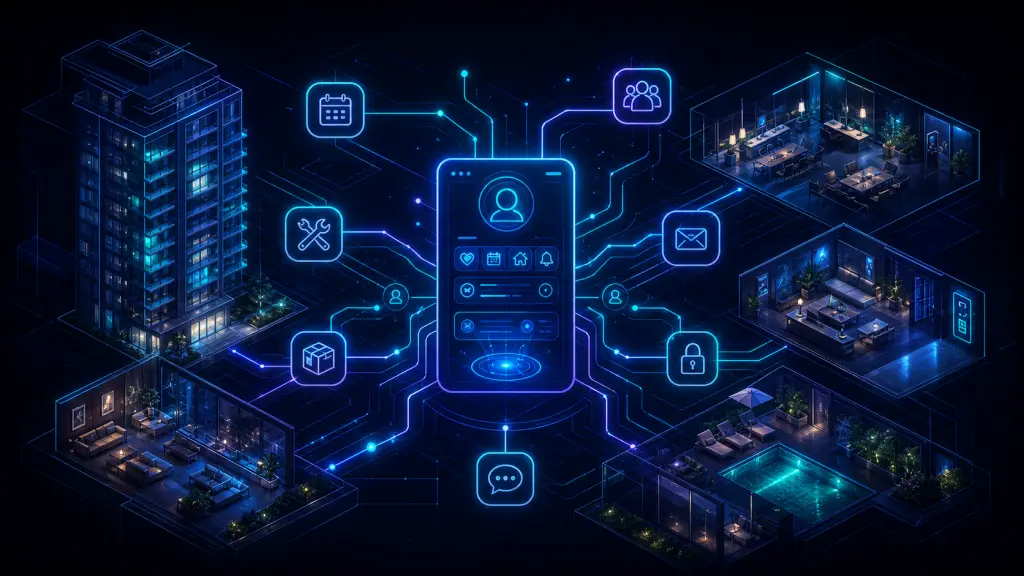
Generative AI for Hyper-Personalized Resident Experience: The Operator Playbook
An operator playbook for using generative AI to personalize resident communication, support concierge workflows, and govern accuracy, consent, and fairness.
Read More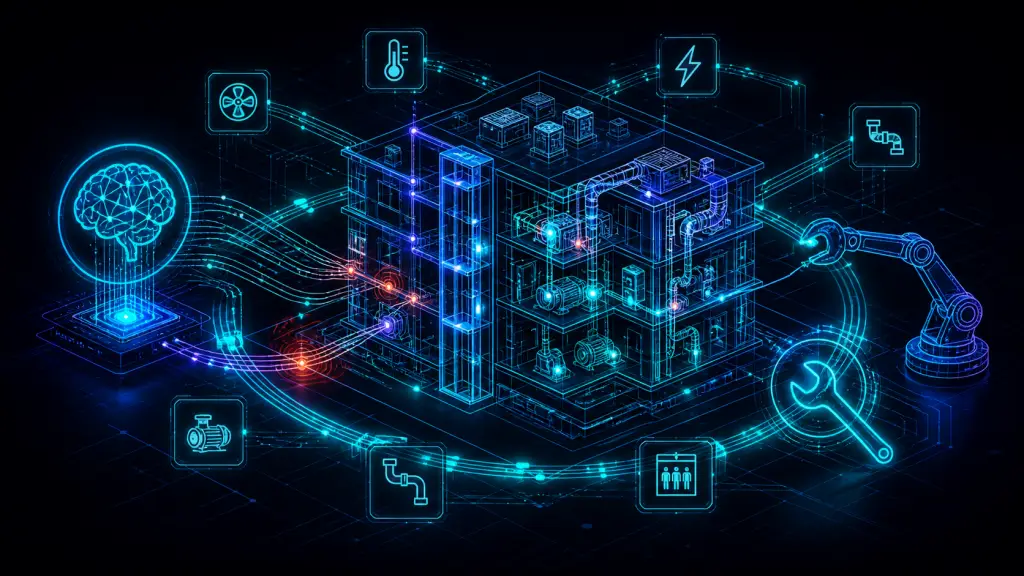
Predictive Maintenance and NOI Preservation: Moving from Reactive to Preventive
A practical guide to predictive maintenance for multifamily operators moving from reactive repairs to preventive workflows that protect NOI and service quality.
Read More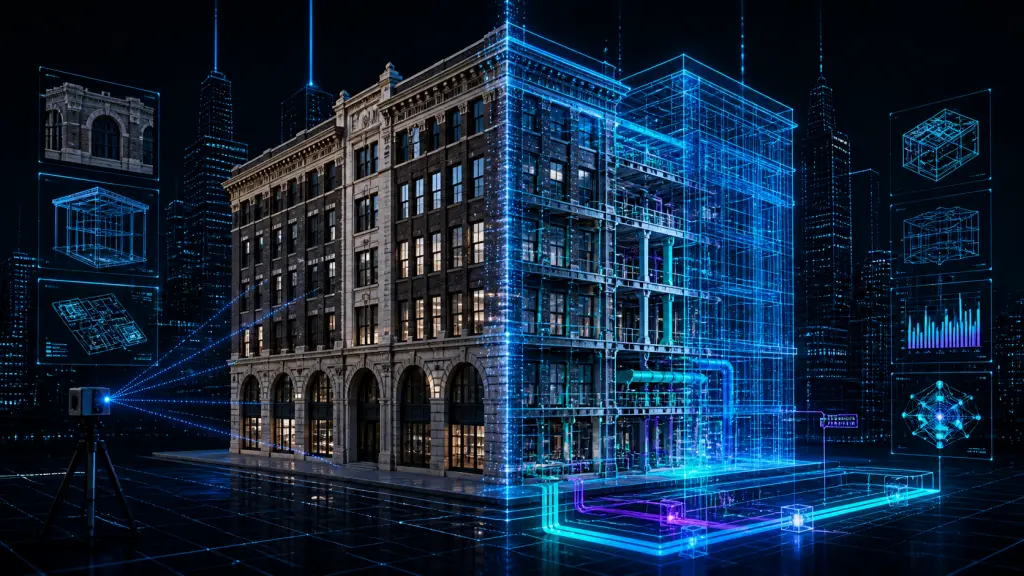
Digital Twin Technology for Adaptive Reuse: An Operator Guide
A practical operator guide to digital twins for Chicago adaptive reuse: use cases, architecture, governance controls, readiness checklist, and KPIs.
Read More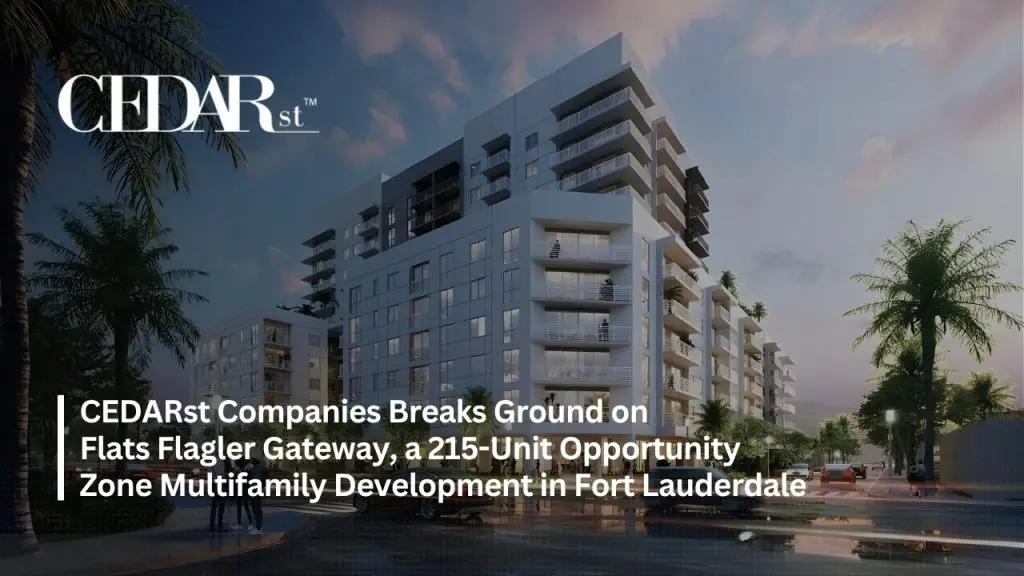
Why Fort Lauderdale's Flagler Village Is the Most Compelling Opportunity Zone Play in the Southeast Right Now
Fort Lauderdale's Flagler Village is that kind of market. Not because it is undiscovered — it is not — but because the gap between what the market can support and what has actually been delivered remains wide enough to underwrite with conviction.
Read More